When one hears the name Transylvania, images of untamed nature, Bram Stoker’s fantastical novel about Count Dracula, and a region in present-day Romania shaped by the tides of history and warfare may come to mind. Yet Transylvania is also the birthplace of a number of exceptional artists who have achieved international acclaim. These are the names that the Olomouc-based Telegraph Gallery will present in the exhibition Transylvanian Painting Today. This will be an extraordinary event, drawing focused attention both to this region steeped in myth and legend and to fifteen artists who rank among the leading figures of contemporary painting worldwide. The exhibition follows two previous projects dedicated to German and British painting, curated by the British curator Jane Neal. Transylvanian Painting Today opens at Telegraph Gallery on 5 March 2026 and closes 11 June 2026.
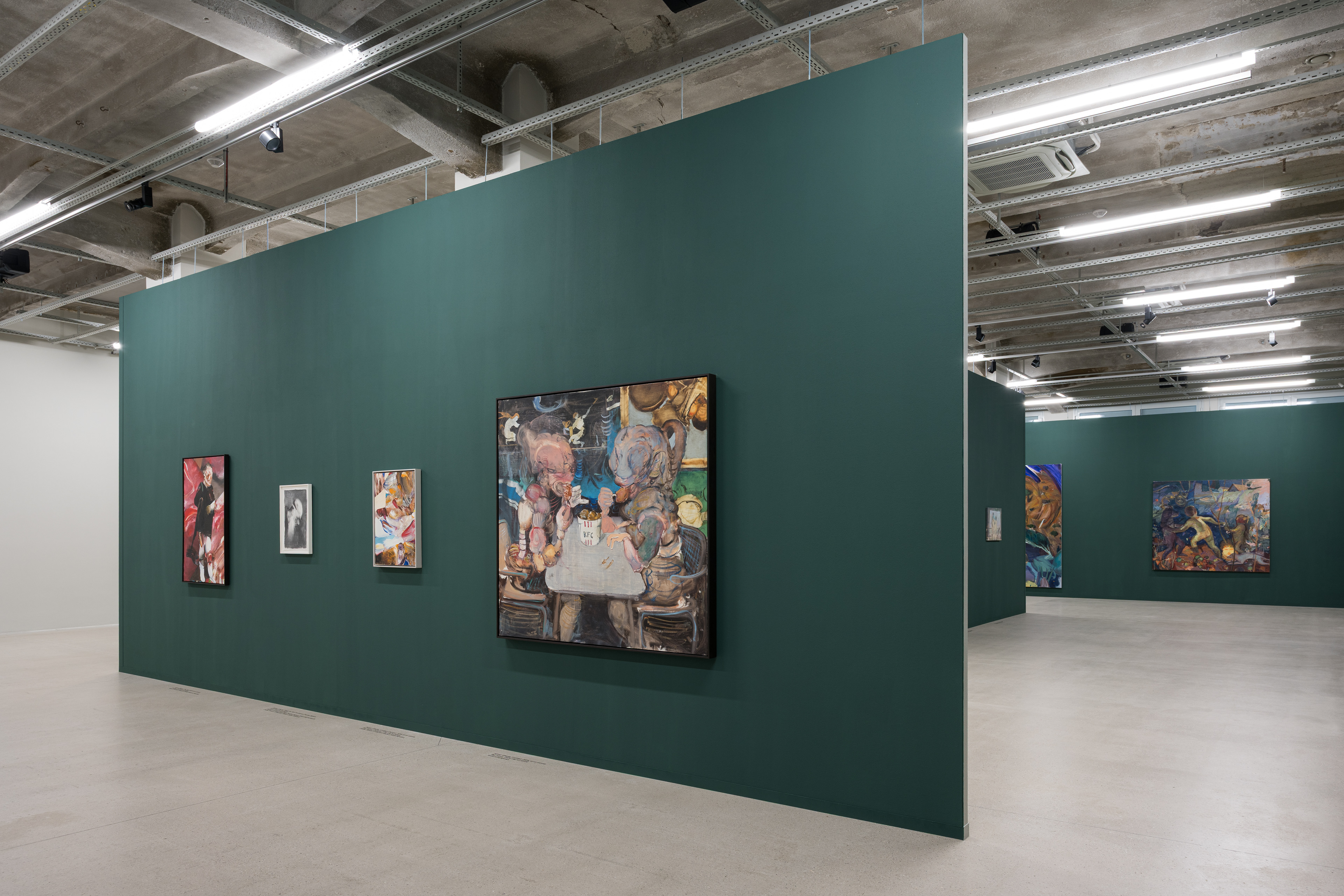
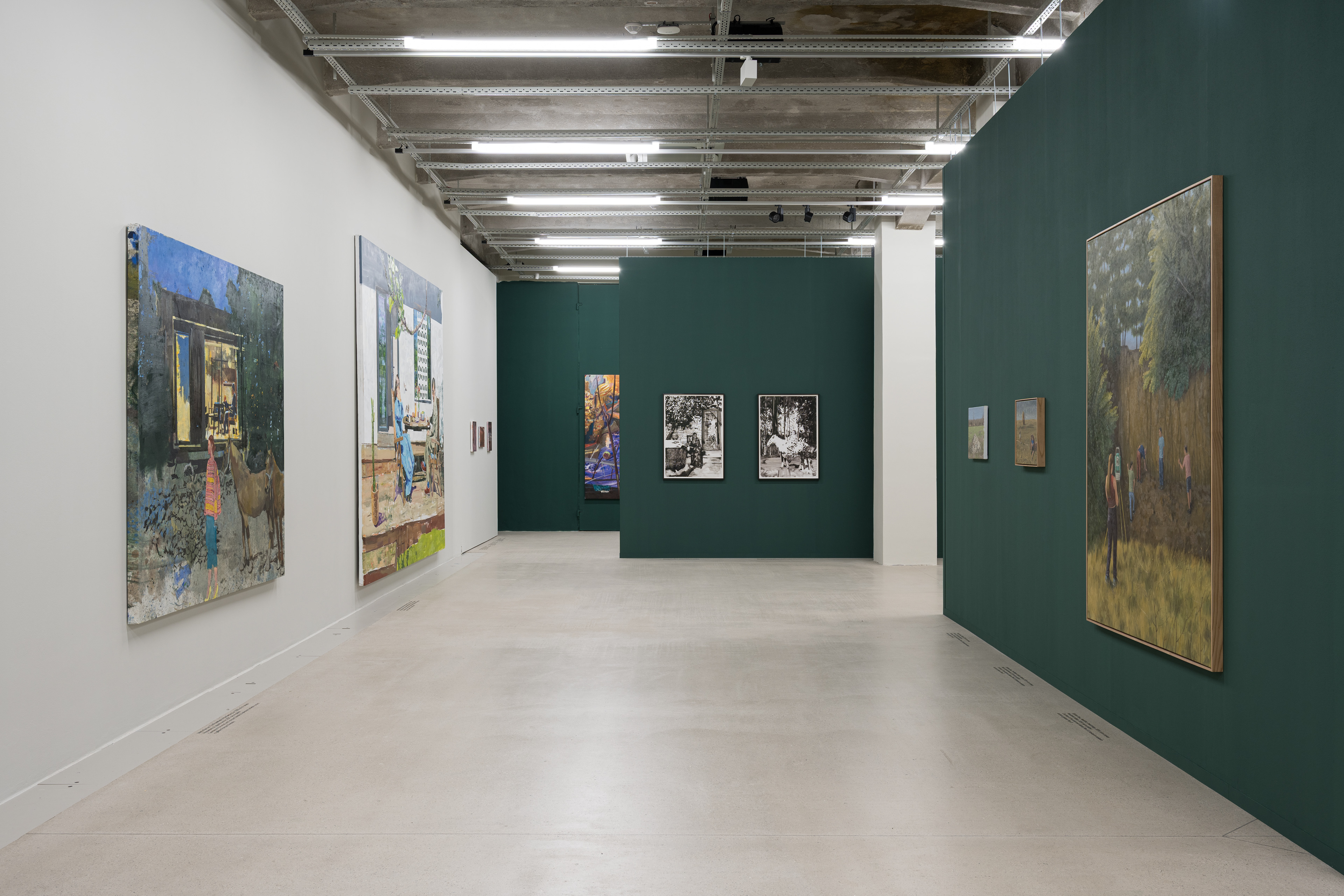
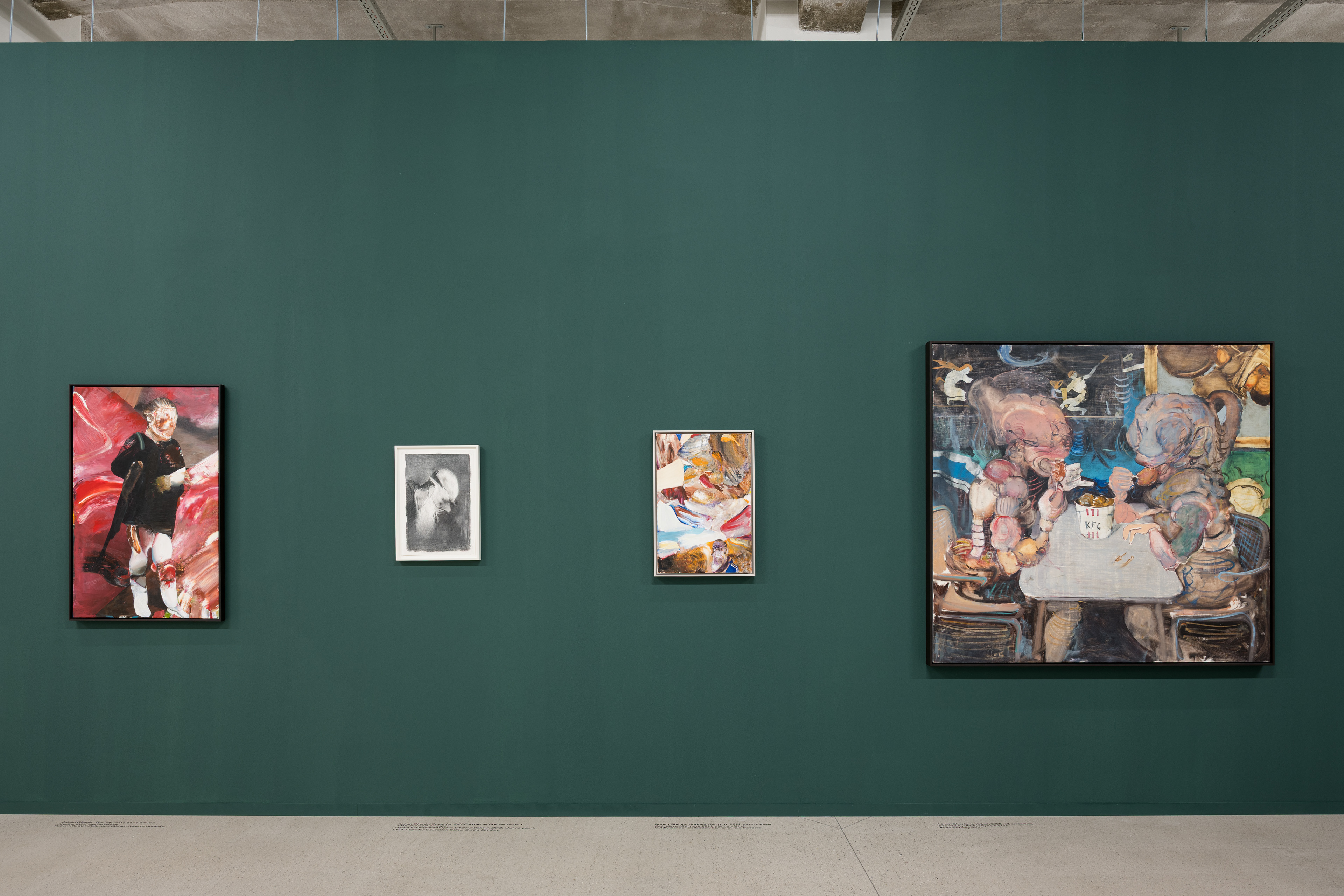
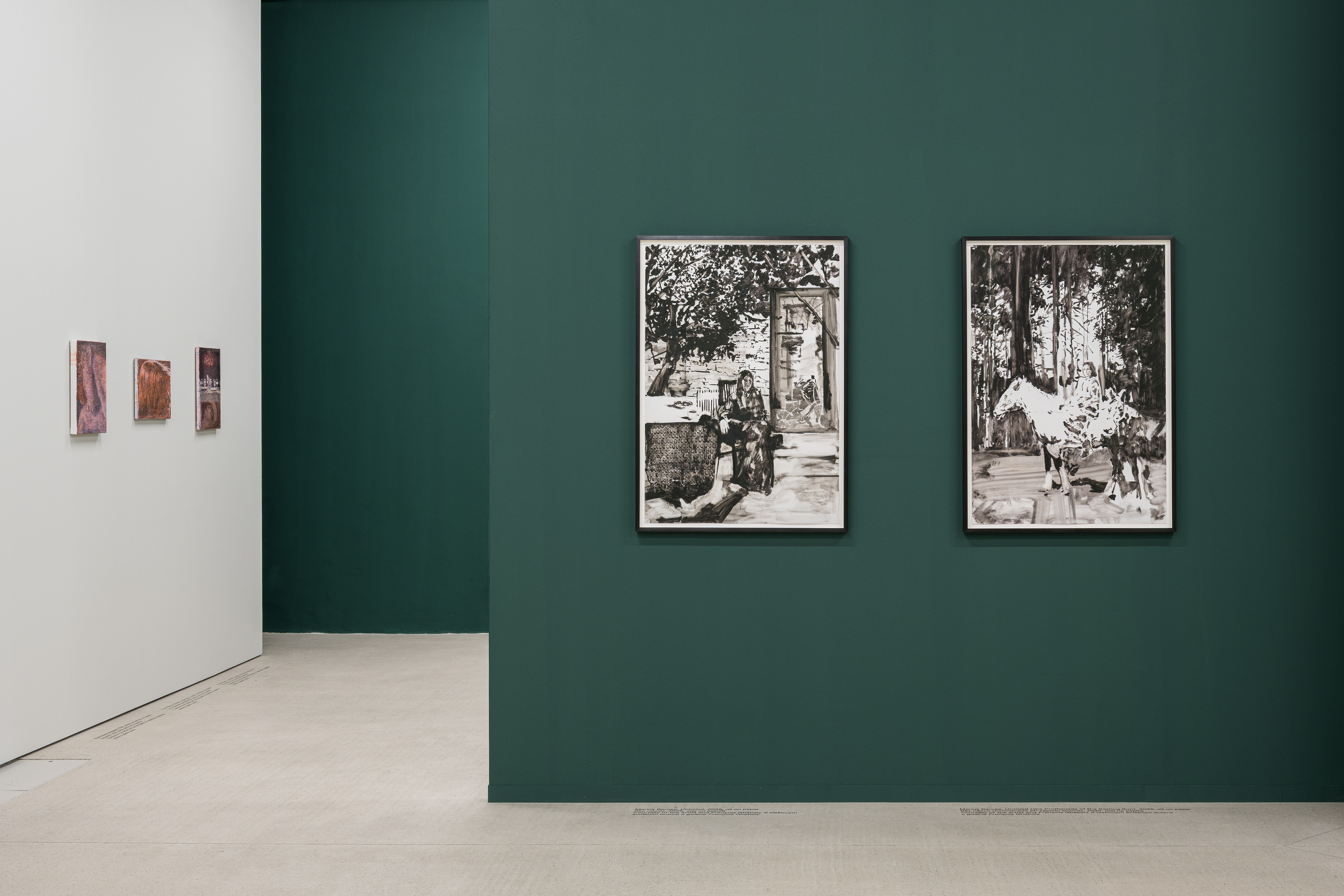
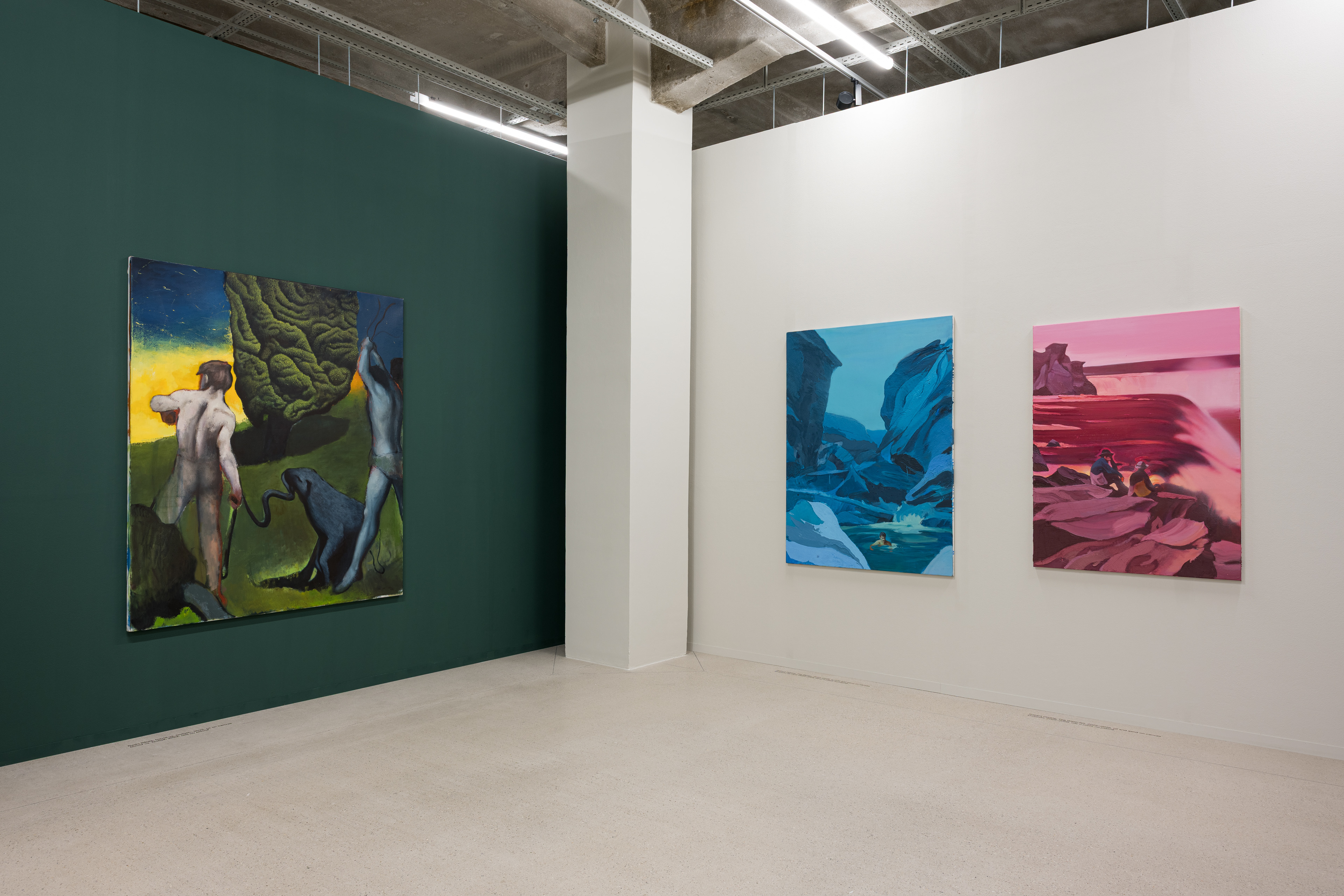
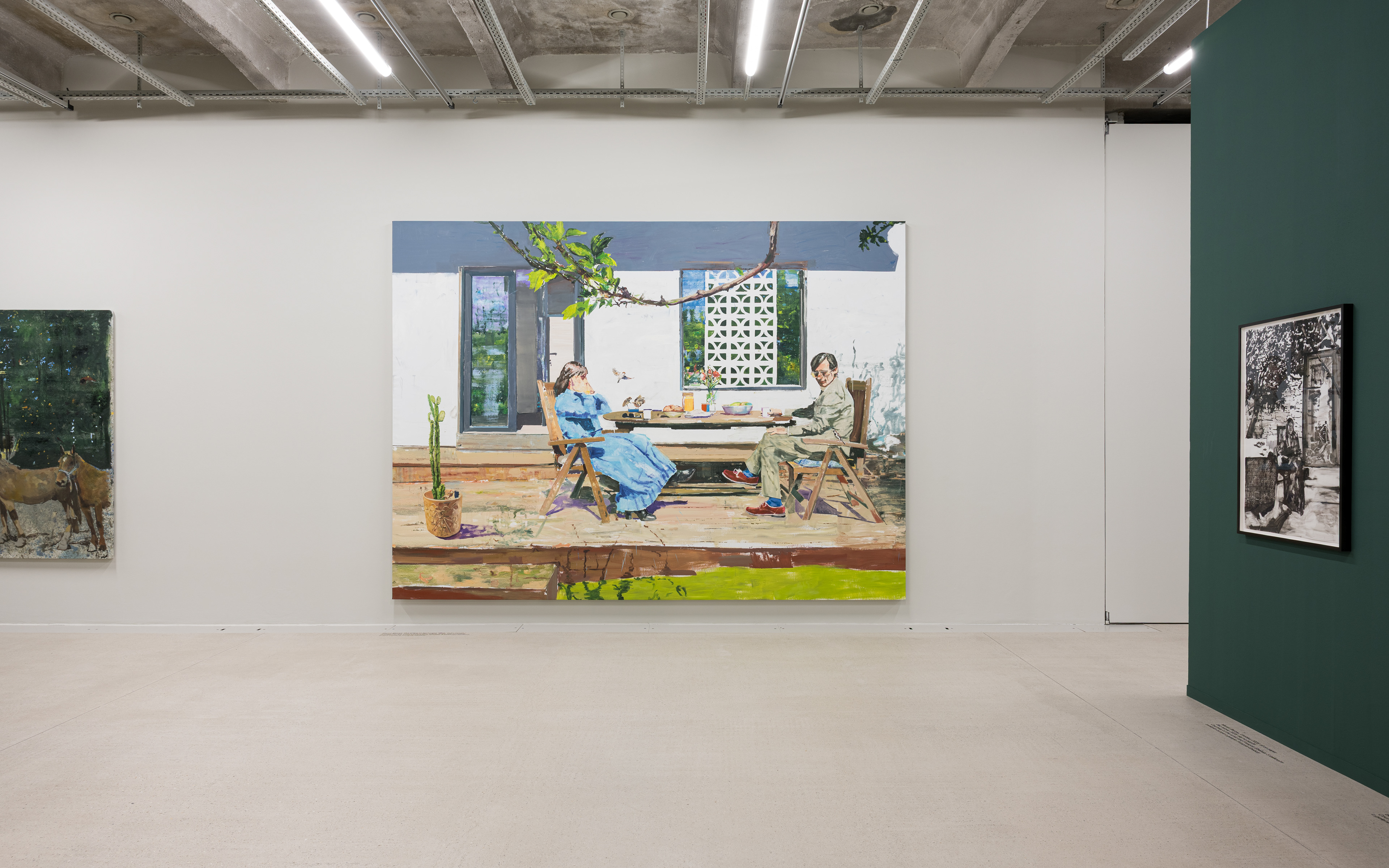
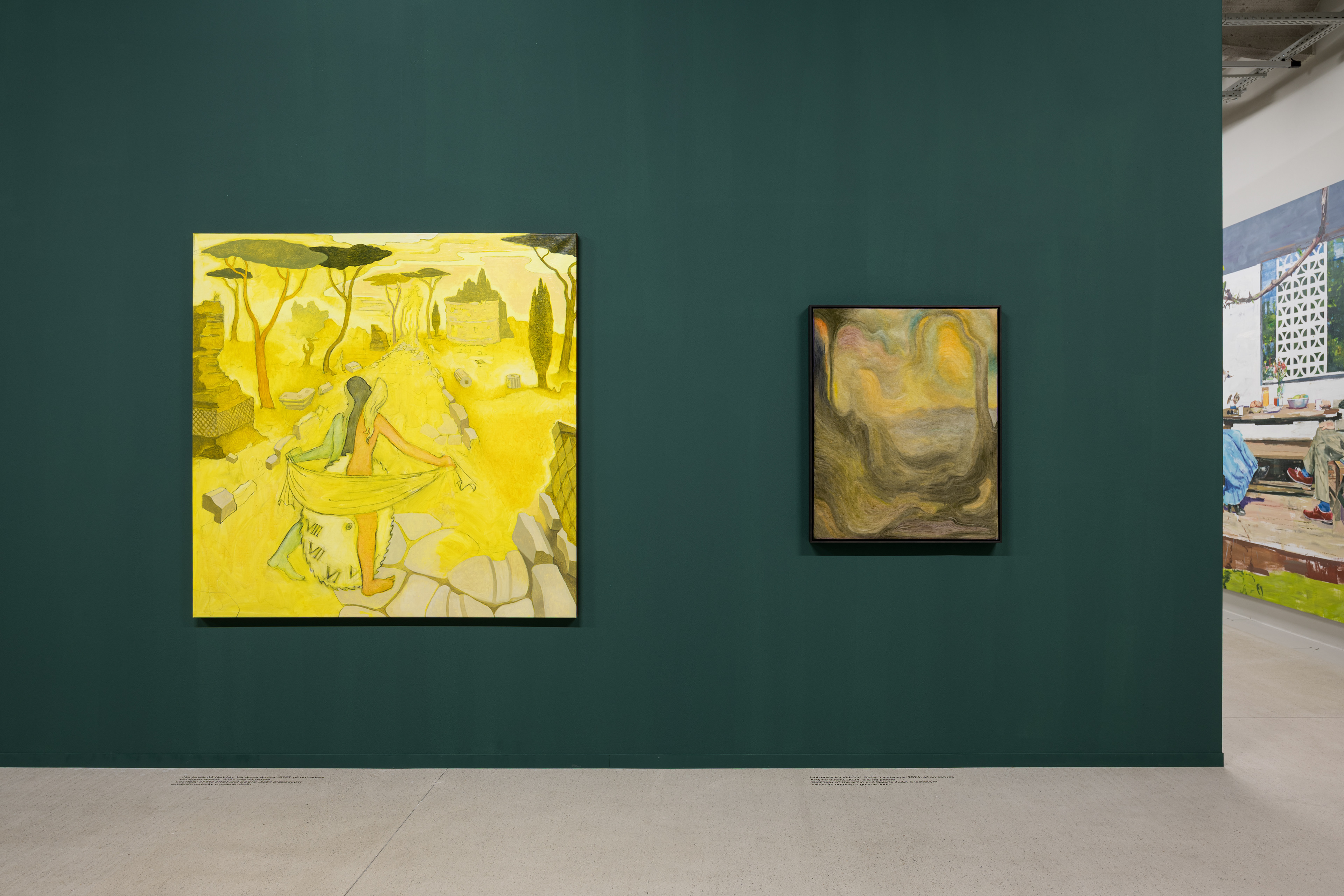
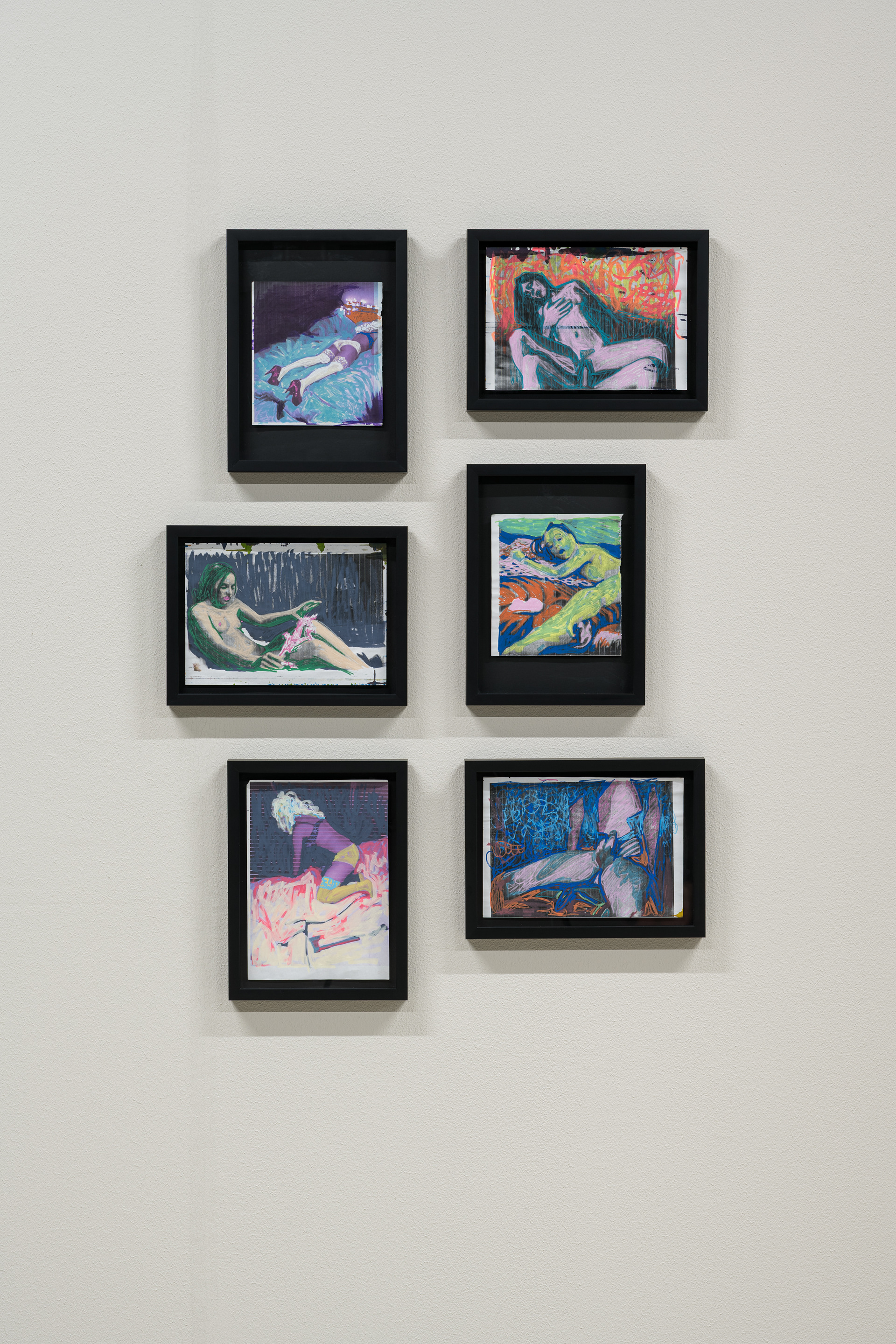
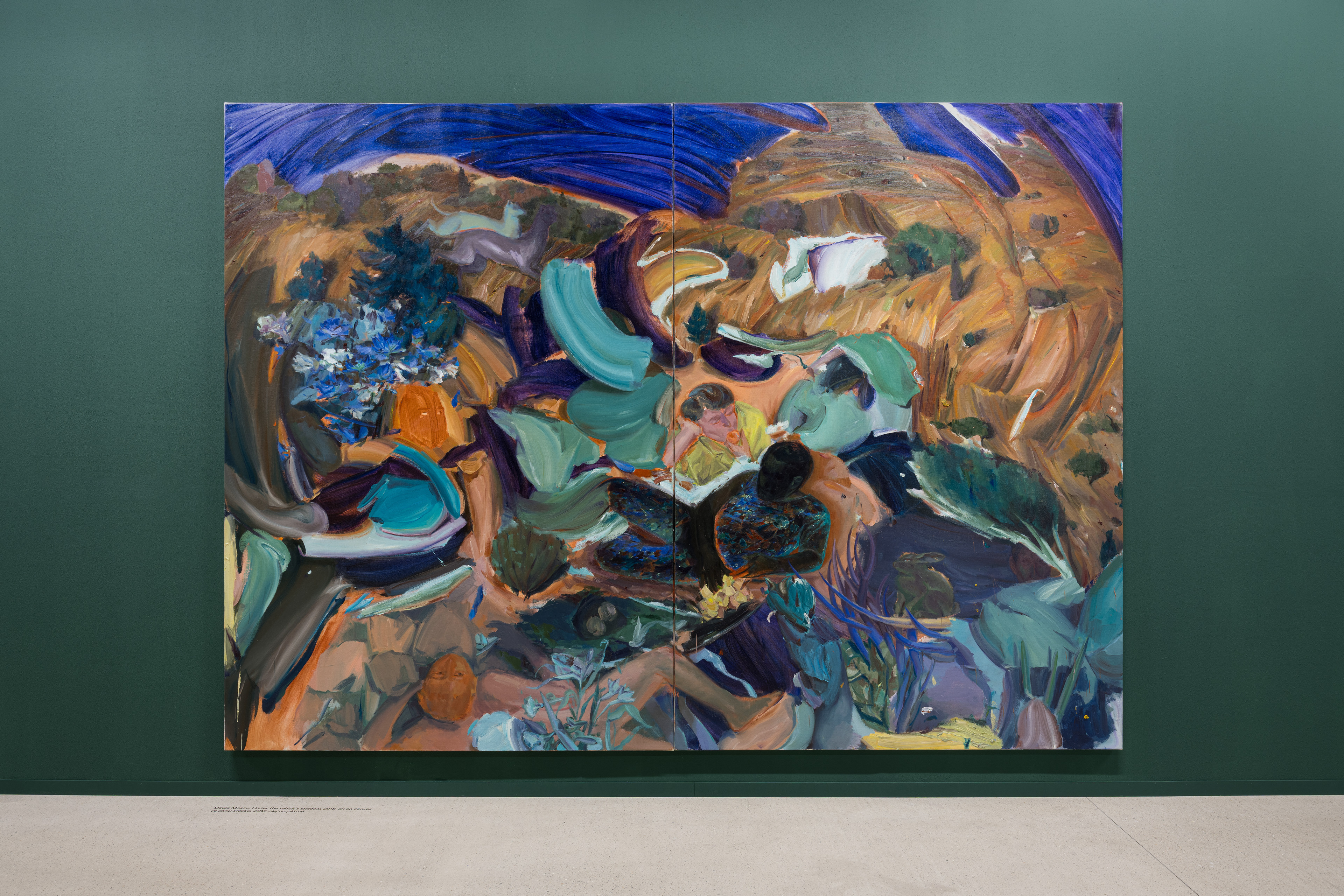
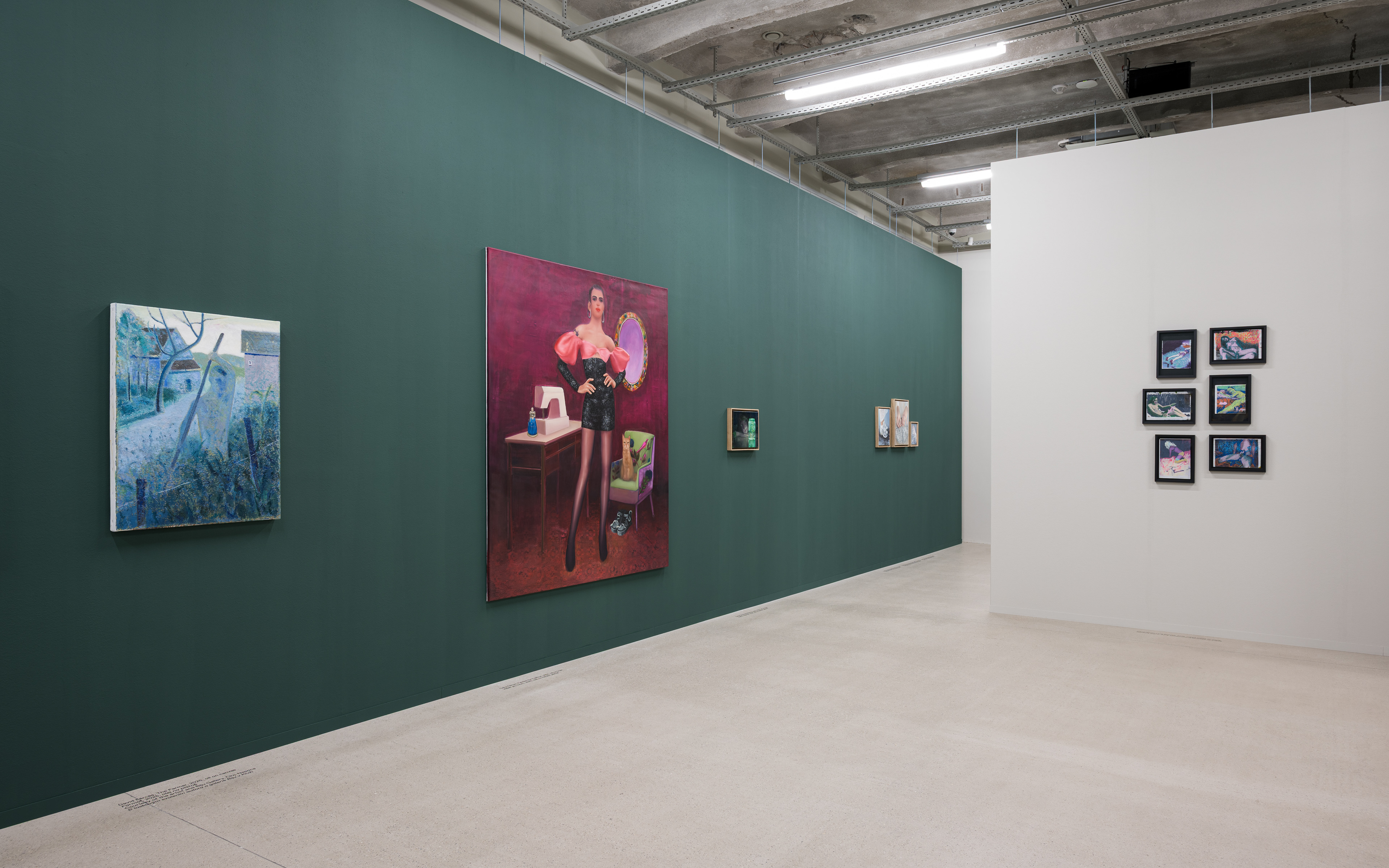
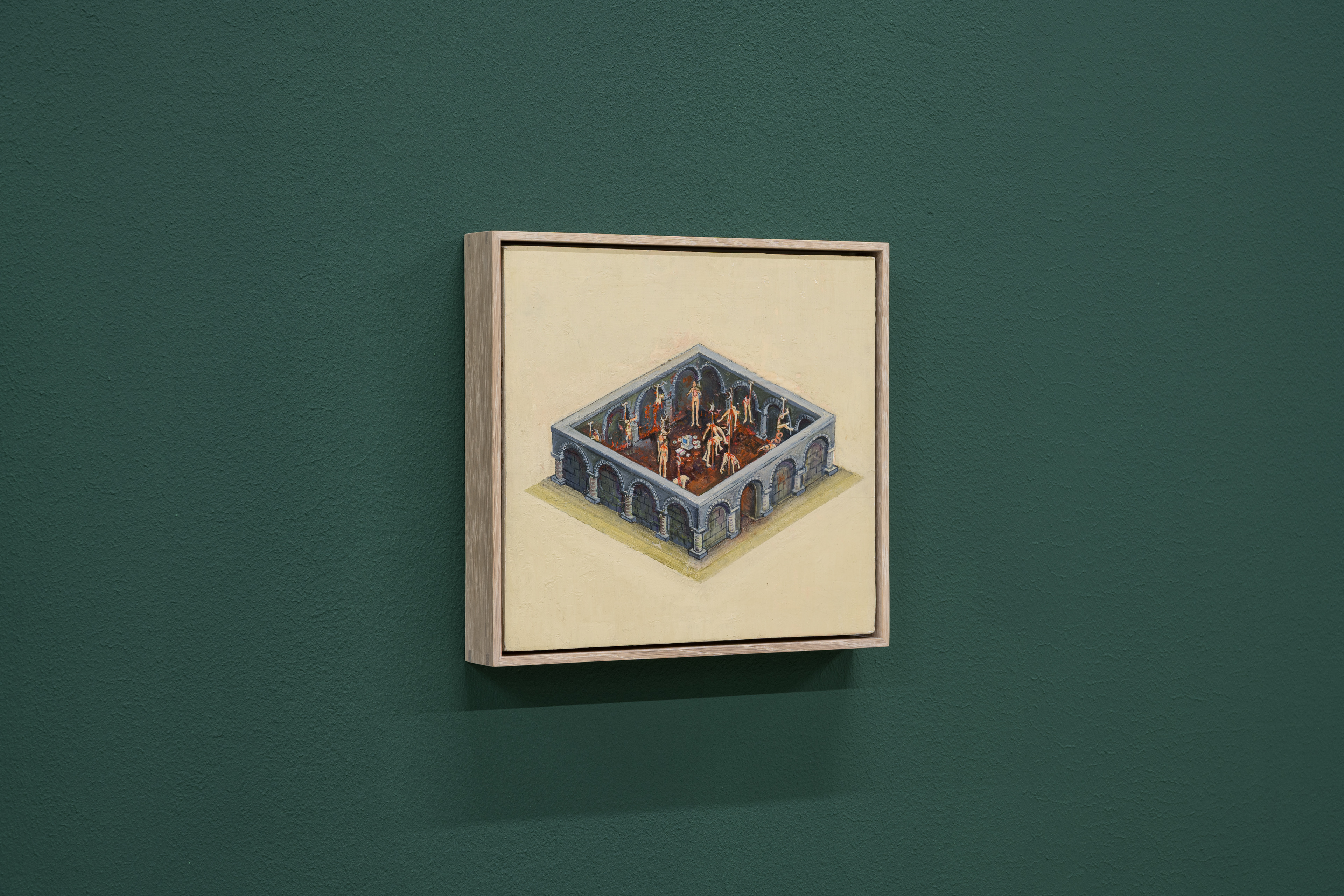
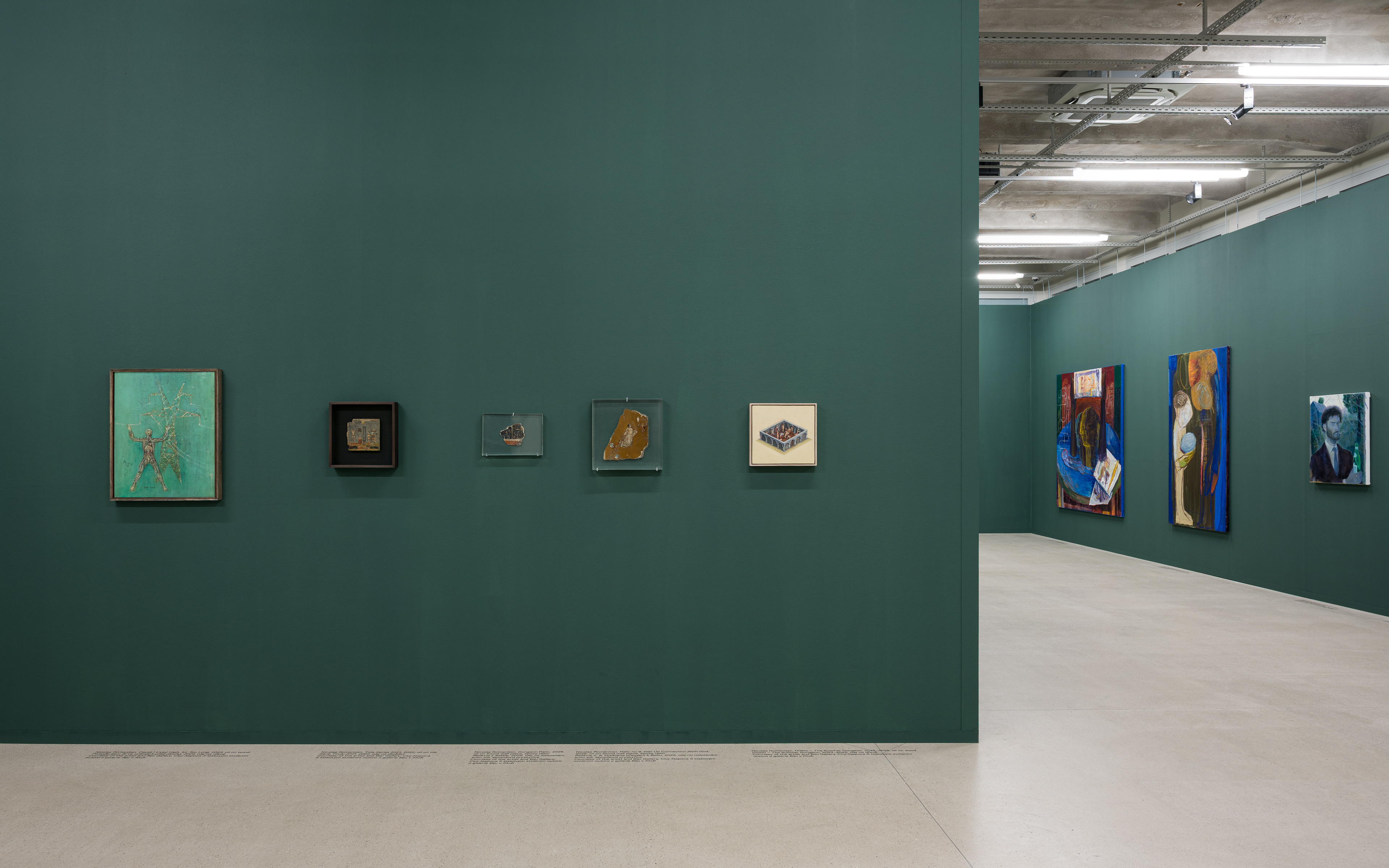
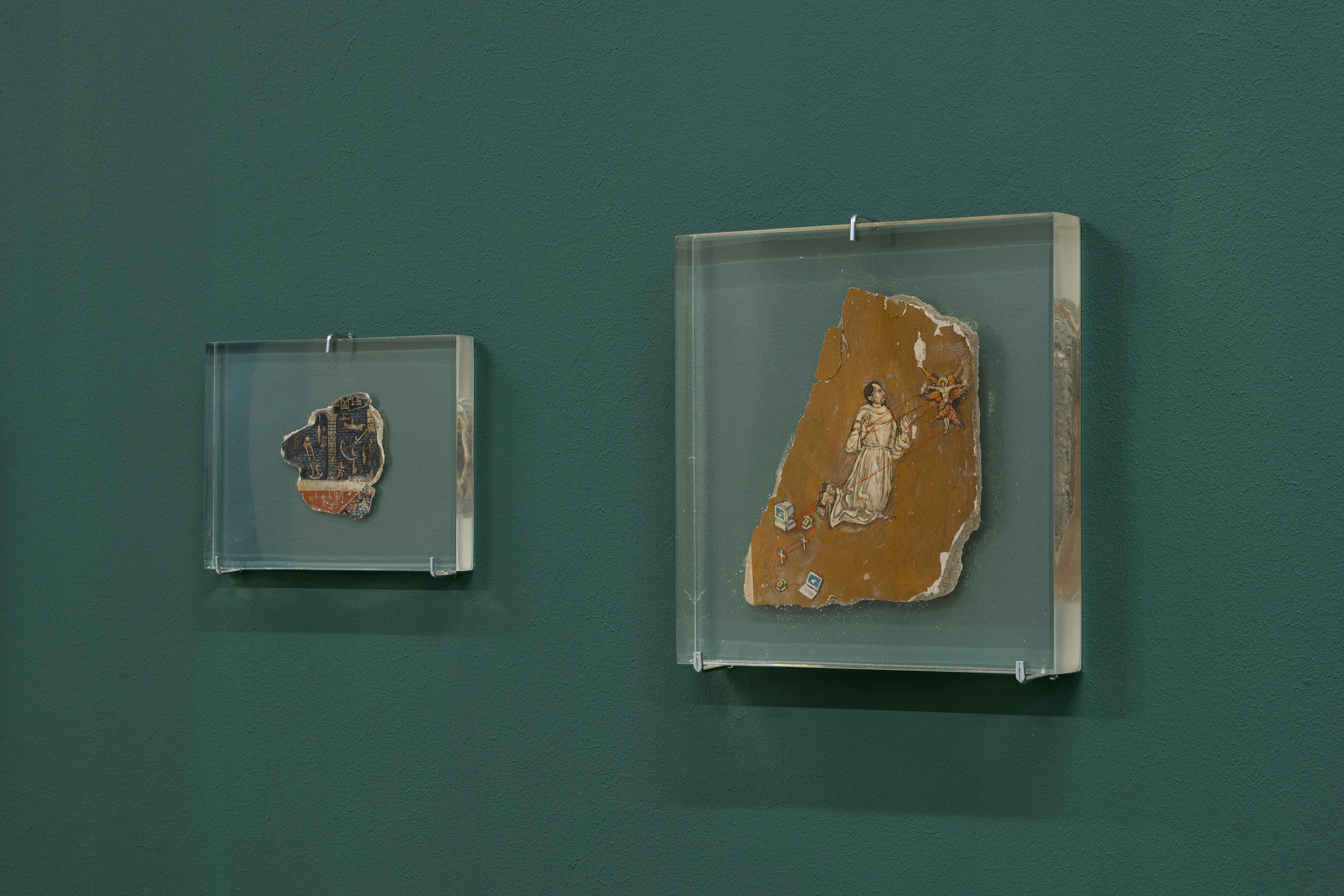
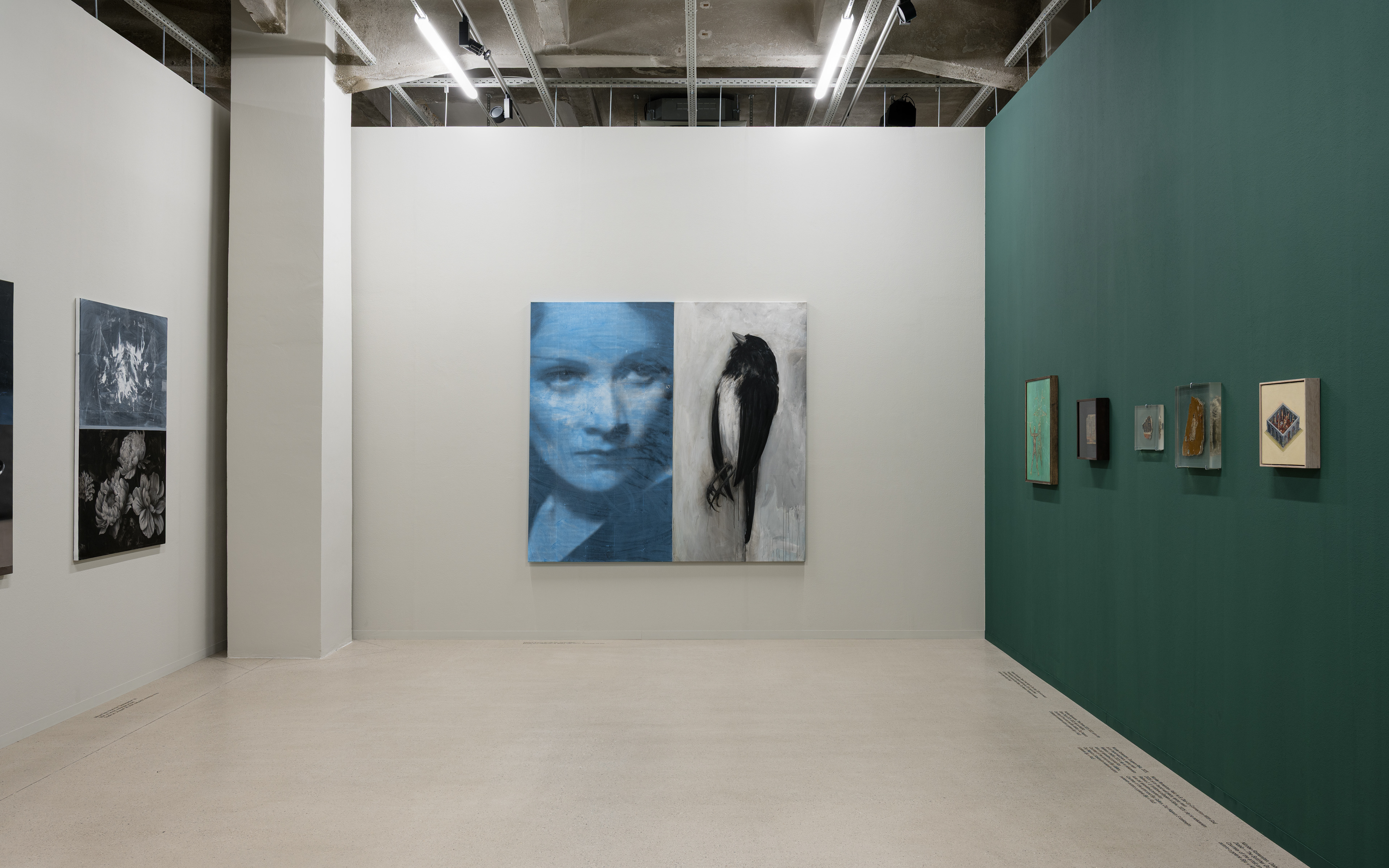
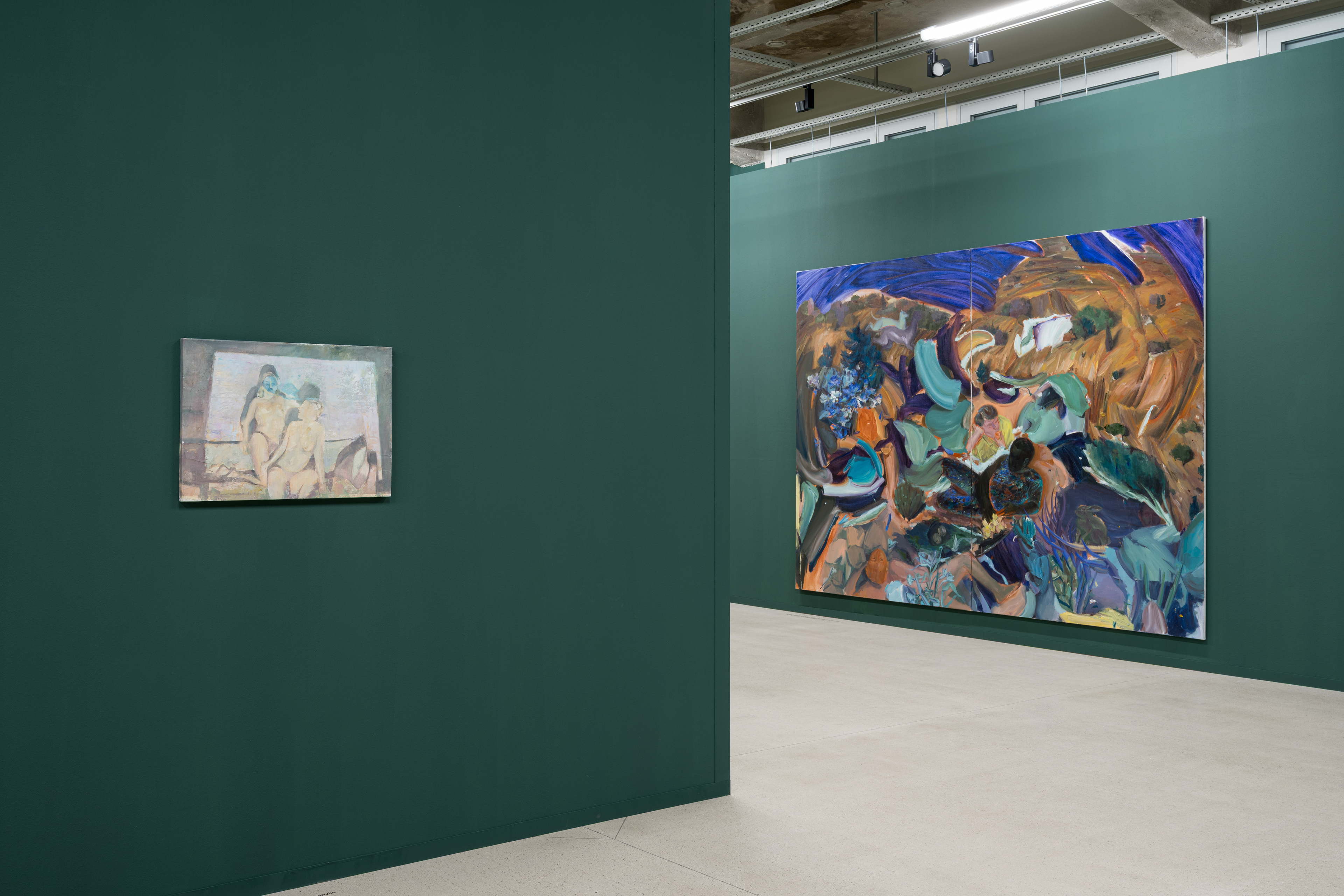
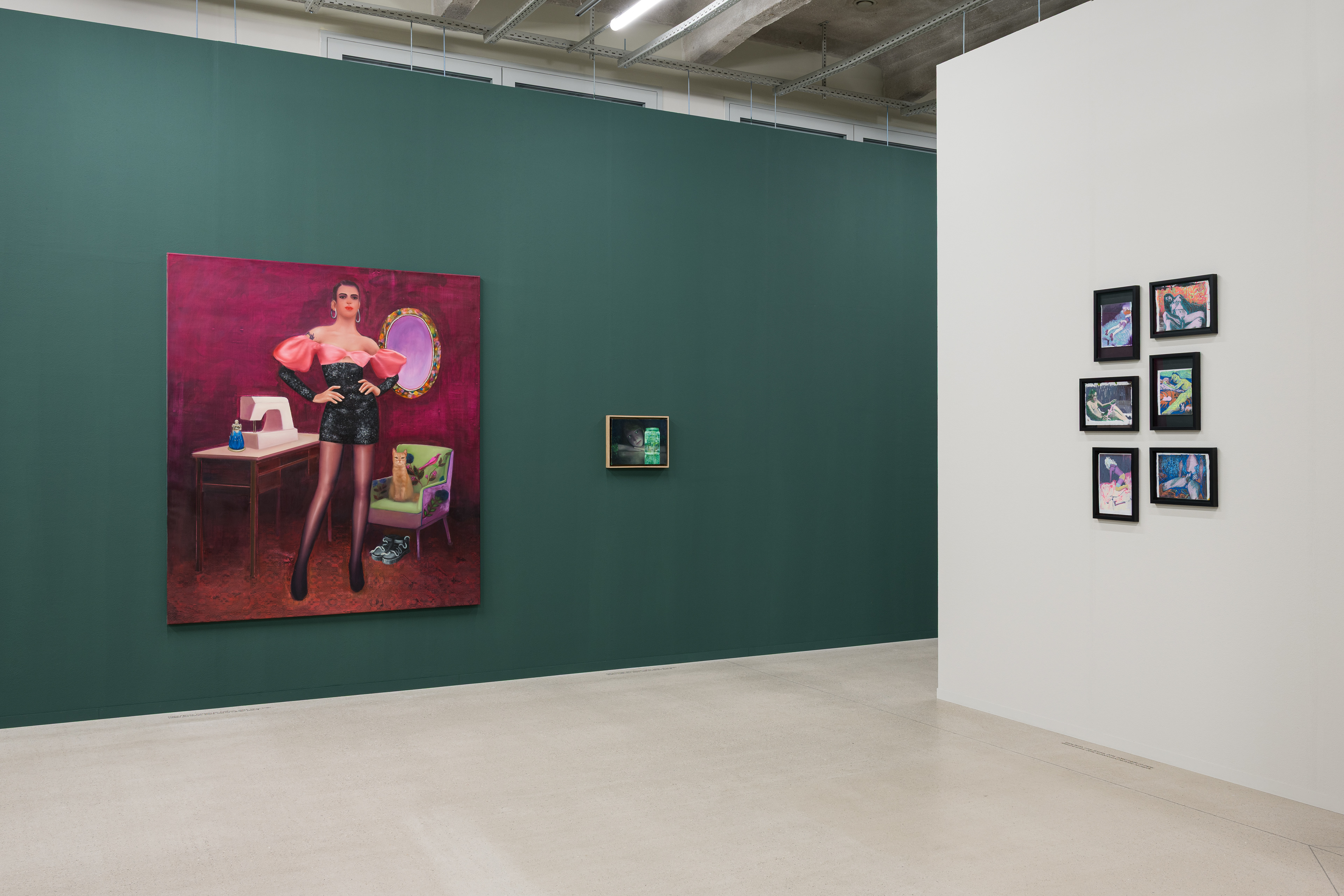
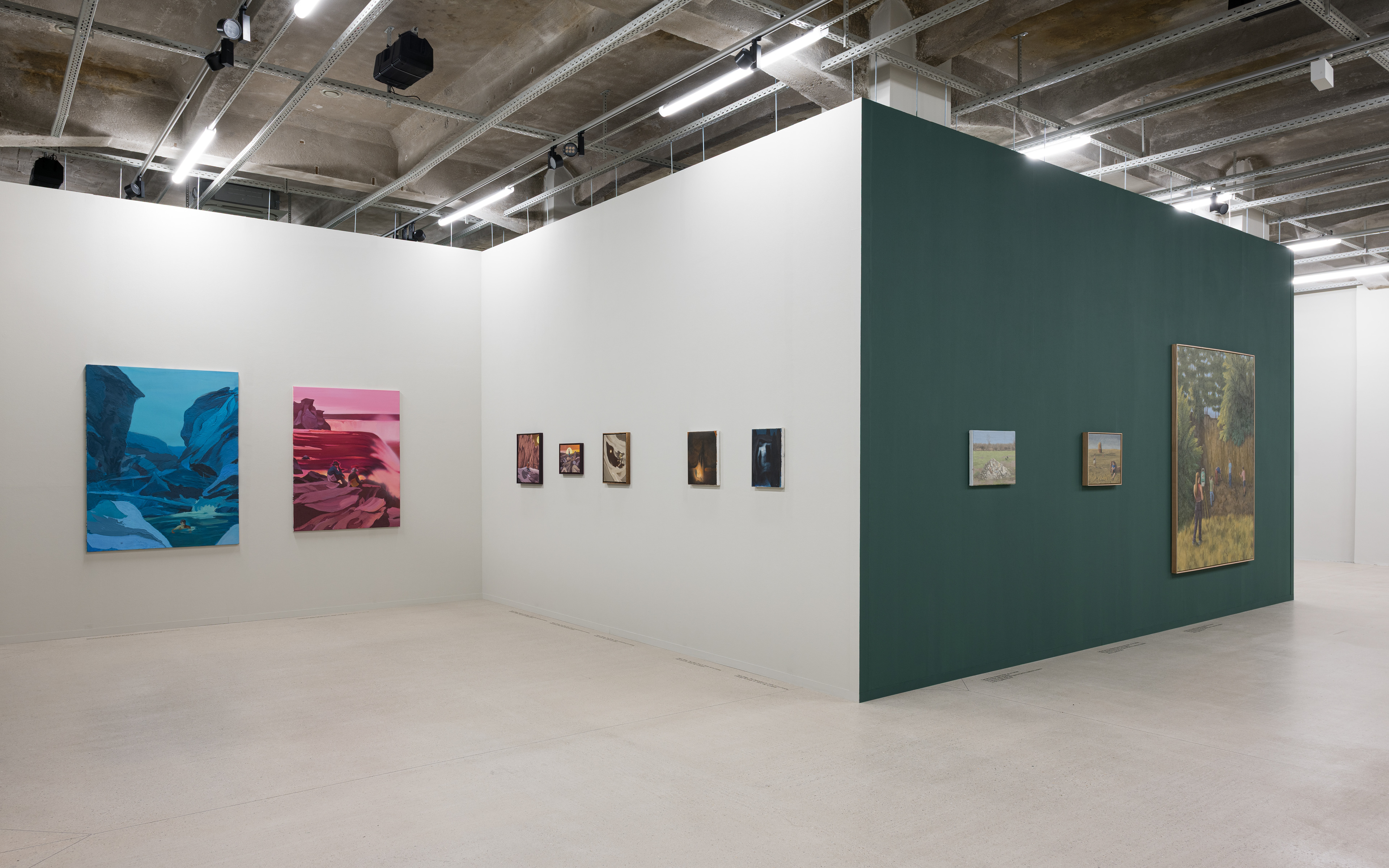
Among the best-known artists featured in the exhibition are Adrian Ghenie, Marius Bercea and Șerban Savu. Also exhibiting will be Radu Baies, who presented his solo exhibition Searching for My Human Traces at Telegraph Gallery five years ago. All of them belong to the so-called Cluj School – an informal group of artists who emerged on the international scene at the beginning of the twenty-first century and attracted worldwide attention.
Why Cluj? The ancient city of Cluj is the second largest in Romania after Bucharest, and it is home to the renowned University of Art and Design in Cluj-Napoca. Its graduates often devote themselves to figurative painting characterised by a darker palette, a strong atmosphere, and a reflection on psychological, historical and post-communist themes. It is neither an official school nor a manifesto, but rather an artistic phenomenon that has gained recognition far beyond Romania’s borders.
Local artists are not short of inspiration. Transylvania has long been sought after by painters for its breathtaking landscape of green pastures, majestic mountains and deep forests. The entire region is steeped in folklore, and its inhabitants are known for their adaptability and industriousness. It is a land of music and the visual arts, of romance, literature, culture and learning – but also of agriculture, traditional crafts and mining, and more recently gastronomy, wine and technology. It is therefore no surprise that contemporary Transylvanian painters have achieved international recognition.
This is exemplified by the success of Adrian Ghenie (*1977), who lives and works in Berlin. In 2015 he represented Romania at the Venice Biennale, and his paintings now fetch astronomical sums at auction. The record is held by the monumental canvas Pie Fight Interior 12 (2014), more than three metres wide, which was sold four years ago at Christie’s in Hong Kong for over HKD 81 million. Ghenie’s works are held in the collections of leading international institutions such as the Centre Pompidou in Paris, Tate in London and the San Francisco Museum of Modern Art (SFMOMA). He has also exhibited at the Albertina in Vienna, where his solo exhibition Adrian Ghenie: Shadow Painting took place in 2024. Several of his canvases will be on view at the Telegraph.
The second key figure of the Cluj School in Transylvanian Painting Today is Marius Bercea (*1979). He too received his academic training in Cluj, where he lives and works today. His paintings are distinguished by vivid colour and complex compositions in which memories of Romania’s post-communist reality are interwoven with imaginary and symbolic elements. Personal, historical and mythological layers thus converge within his work. Bercea’s paintings regularly appear in international exhibitions in cities such as New York, Tokyo, Los Angeles, London and Berlin and, as in Ghenie’s case, are represented in prestigious collections worldwide.
Another prominent figure of the Cluj School included in the exhibition is Șerban Savu (*1978). His paintings focus on everyday scenes from contemporary Romania – urban peripheries, ordinary forms of labour or seemingly banal situations that acquire a quiet, almost meditative intensity. Savu works with a muted palette and precise composition, subtly opening up themes of collective memory, social transformation and the existential uncertainty of post-communist reality. His works have been presented at the Venice Biennale, where he had a solo pavilion, and form part of renowned public and private collections around the world.
In addition to these painters, Telegraph will also present other significant figures of the contemporary Romanian scene: Radu Baies, Robert Fekete, Mirela Moscu, Oana Fărcaș, Ioana Iacob, David Fărcaș, Nicolae Romanițan, Mircea Suciu, Tincuța Marin, Hortensia Mi Kafchin and Paul Robas.
That this is an exceptional opportunity to broaden one’s horizons is further underscored by the fact that Transylvania has long been regarded as a cultural centre not only of the Romanian nation but also of the Hungarian people. Its rich and diverse heritage arose through religious tolerance, pioneering settlers, and the successive influence of first ancient Rome and, several centuries later, the medieval German Holy Roman Empire and subsequently Austria-Hungary. In the twelfth century, the Saxons founded seven fortified towns here, which remain jewels of the region and testify to nearly nine hundred years of German presence. Cluj itself originated as an ancient Dacian settlement, occupied by the Romans between 101 and 106 CE, who established a military camp and expanded the settlement.
Alongside the Romans and Saxons, a Jewish community also settled and flourished in Transylvania, together with Greek Orthodox, Greek and Roman Catholics and Protestants. Looking further back into history, Persian and Turkish influences can also be discerned. All these elements form the pieces of an eclectic cultural mosaic that resonates strongly with today’s globalised world.
On Jane Neal’s Curatorial Trilogy at Telegraph Gallery
Transylvanian Painting Today concludes a series of three exhibitions by the British curator Jane Neal at Olomouc’s Telegraph Gallery, devoted to European figurative painting. The exhibition follows two previous projects – German Painting Now and New Positions in British Painting.
The first chapter of this trilogy took place in 2021, when Telegraph Gallery presented the current state of German painting while also recalling its historical weight and the energy of contemporary practitioners. Twelve artists were featured, including Tim Eitel, Dennis Scholl, Michael Kunze and Matthias Weischer.
In 2023, the exhibition New Positions in British Painting followed, focusing on a younger generation of artists working in the United Kingdom and reflecting the transformation of painting in the context of new technologies and social change. Exhibiting together were Jessie Makinson, Justin Mortimer, Tom Anholt, David Brian Smith and Caroline Walker. Visitors also had the opportunity to see works by the latter artist in the recent exhibition Behind the Counter.
About Jane Neal
The British curator Jane Neal specialises in the art scene of Central and Eastern Europe. She has organised acclaimed exhibitions worldwide, including in Amsterdam, Berlin, Budapest, Copenhagen, Dubai, London, Los Angeles, Milan, Mumbai, New York, Prague and Zurich. She introduced the Cluj School to the international art world, particularly Adrian Ghenie, who is now regarded as one of the most sought-after Romanian artists.
In the Czech Republic, in addition to her exhibitions at Telegraph Gallery, Neal contributed to the exhibition Disrupted Imagination at the Gallery of Fine Arts in Ostrava (GVUO). She was also involved with Plan B Gallery, founded in Cluj by Adrian Ghenie and Mihai Pop, and later with its Berlin branch.

TELEGRAPH GALLERY
Jungmannova 3, Olomouc
www.telegraph.cz/en
Opening hours
Tuesday–Thursday 9 am – 7 pm,
Friday 9 am – 9 pm
Saturday–Sunday 10 am – 6 pm
Jungmannova 3, Olomouc
www.telegraph.cz/en
Opening hours
Tuesday–Thursday 9 am – 7 pm,
Friday 9 am – 9 pm
Saturday–Sunday 10 am – 6 pm